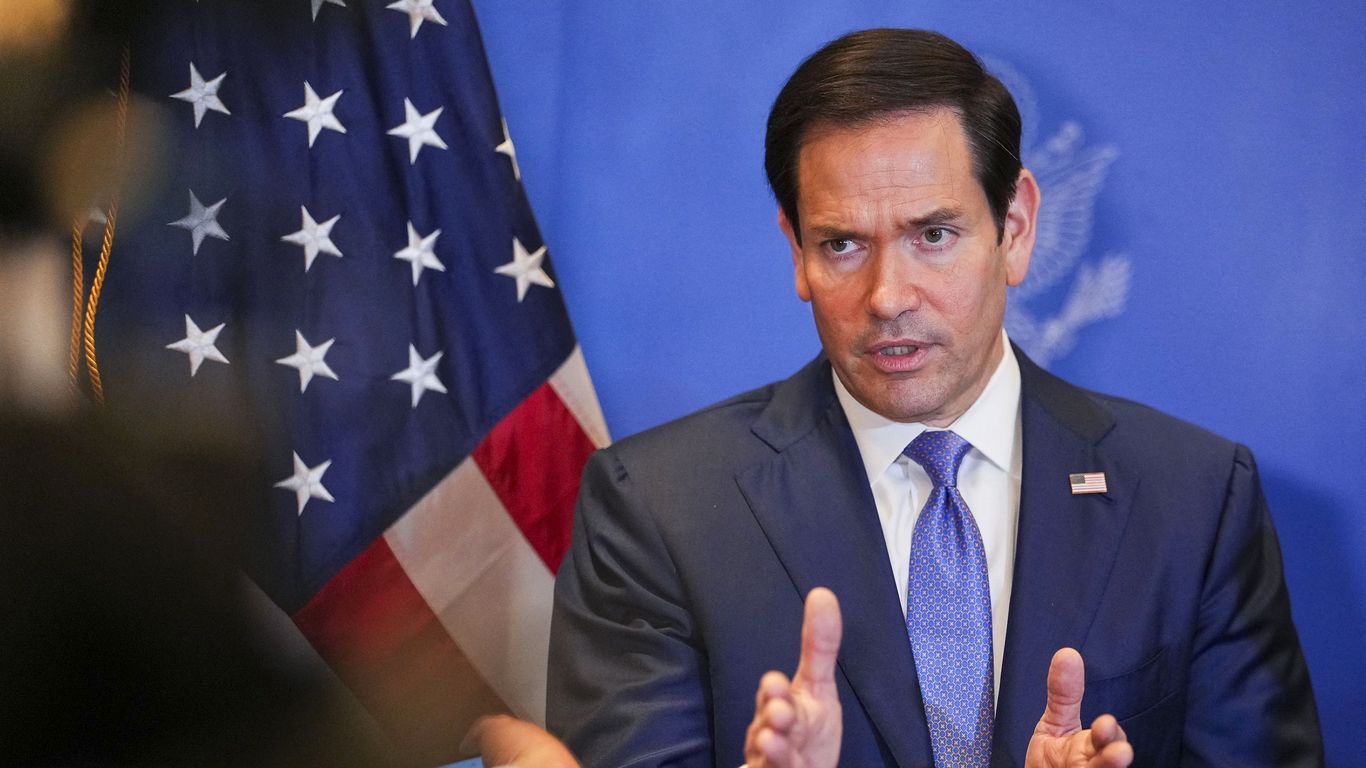
A newly disclosed unclassified intelligence memorandum sent to Secretary of State Marco Rubio has heightened security concerns across the Middle East, warning that Iranian plotting against U.S. diplomats and government officials has reached "advanced stages." The warning comes as the U.S. State Department actively reduces non-essential staff across several key regional embassies, signaling growing alarm within Washington's foreign policy and defense leadership.
According to the memo, authored by Director of National Intelligence Jay Clayton, U.S. intelligence agencies have observed a substantial increase in Iranian attempts to carry out lethal plots against personnel abroad. While the one-page document refrained from naming specific high-level targets or listing countries outside the Middle East, Clayton urged the State Department to downgrade sensitive intelligence so that warnings could be distributed more broadly to personnel potentially at risk.
Diplomatic Footprints Shrink Across the Region
The security advisory has already triggered immediate operational changes. The State Department recently ordered dependents and nonessential personnel to leave the U.S. Embassy in Riyadh, alongside consulates in Jeddah and Dhahran. Subsequent orders mandated staff drawdowns at embassies in the United Arab Emirates, Lebanon, Qatar, and Jordan.
Defense and diplomatic officials emphasized that the decision to reduce staff footprints stems from a combined environment of Iranian intelligence activity and ongoing regional strike threats. However, the timing of the intelligence release—arriving amid heightened geopolitical friction and key political milestones—has drawn intense scrutiny over how security assessments are presented and utilized.
Public Reaction: Wariness, Skepticism, and Geopolitical Context
Outside official channels, the intelligence disclosure has met a wall of deep public skepticism. Observers and analysts point to the ongoing cycle of retaliatory actions between Washington and Tehran, noting that intelligence warnings of this nature are rarely viewed in a vacuum. Many perceive the timing of the leak as an effort to shape narrative priorities or lay the groundwork for expanded military operations.
Commentators reacted with varying degrees of cynicism regarding the sudden alarm over retaliatory targeting, given past strikes aimed at Iranian leadership. "The us killed Iranian leaders in a surprise attack during negotiations. Why is it surprising they would retaliate?" noted one response to the news. Another observer framed the situation similarly: "We did exactly that to the Iranian senior officials. How is this news? No shit they want to kill our guys. It’s a war."
Others questioned the underlying intent of the warning itself, suspecting political calculation or incomplete reporting designed to rally public support. One reaction described the disclosure as "a clear example of a leak only telling half the truth," adding, "There really shouldn't be any surprise that Iran has plots to do that." Meanwhile, some expressed straightforward disbelief in official narratives, flatly stating, "Don’t believe a word coming out of this administration."
The Delicate Balance of Deterrence
As U.S. diplomatic posts pare down their presence to essential personnel, the underlying strategy remains fraught. Balancing active physical security with open diplomatic communication presents an ongoing challenge for the State Department, particularly when intelligence indicates direct threats to personnel.
Whether the intelligence memo heralds a shift toward renewed military engagement or simply reflects routine precautionary measures, the drawdown underscores an increasingly fragile security posture in the Middle East—one where diplomatic outposts remain on high alert while the public remains thoroughly unconvinced by official explanations.

