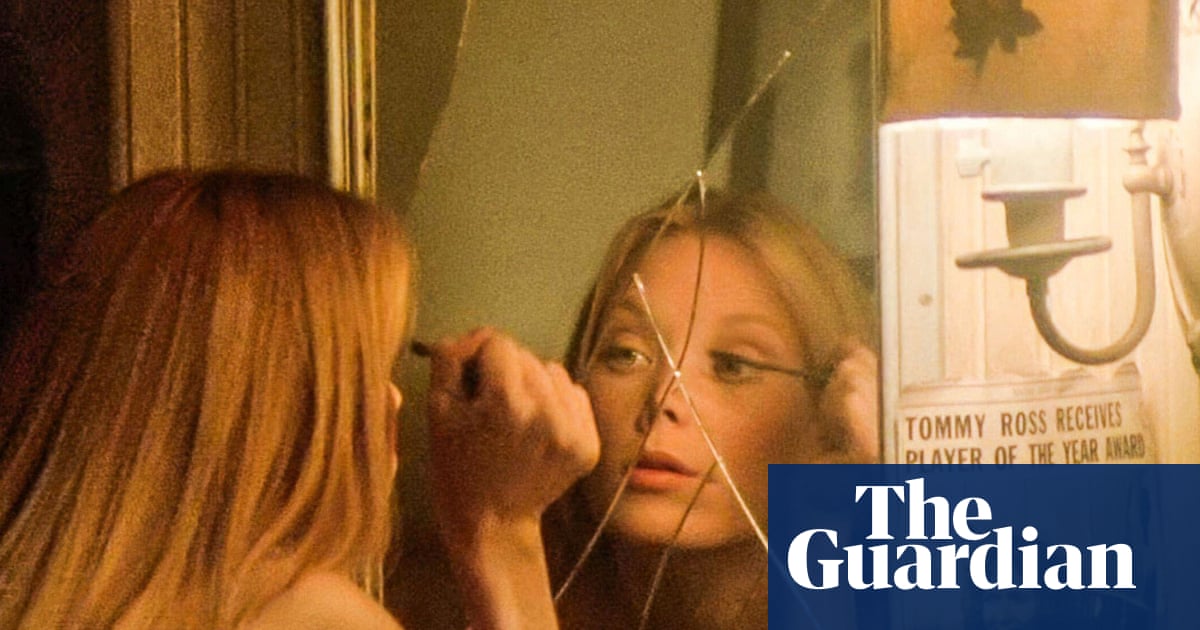
When Stephen King published his debut novel in 1974, the literary world did not immediately bow at its feet. The story of Carrie White—an isolated, abused teenager gifted with devastating telekinetic powers—took time to find its audience, trailing behind the release of the author's subsequent work. But when director Brian De Palma brought the material to the screen in 1976, everything changed. Fifty years later, that cinematic adaptation remains a towering achievement in horror, blending raw adolescent agony with pure visual poetry.
De Palma approached King's novel with a ruthless efficiency that stripped away the book's fictional documentary framing devices—such as academic excerpts and after-action reports—in favor of immediate, visceral storytelling. This stylistic choice placed audiences directly into the hothouse environment of high school cruelty. From the controversial, unbroken tracking shots of the girls' locker room to the delicate framing of the classroom, the director transformed ordinary institutional spaces into a pressure cooker of anxiety and alienation.
Central to the film's lasting power are the standout performances of Sissy Spacek as Carrie and Piper Laurie as her religious zealot mother, Margaret. Both received Academy Award nominations for their work, grounding the supernatural carnage in genuine emotional devastation. Spacek managed to infuse a terrifying figure of vengeance with a heartbreaking vulnerability, making her tragic trajectory feel both inevitable and deeply unfair.
Technical innovations further elevated the material above standard genre fare of the era. De Palma’s heavy reliance on split-diopter photography allowed foreground and background action to remain in sharp focus simultaneously, visually emphasizing how Carrie existed in the same physical space as her peers while remaining emotionally worlds apart. Later, during the ill-fated prom sequence, a rotating camera setup and colorful lighting created a dizzying carnival atmosphere just moments before the narrative plunged into its infamous, blood-soaked climax.
While contemporary creators continue to revisit and expand the mythos through modern serialized adaptations that lean heavily into character development and 2020s social dynamics, the 1976 film retains a unique place in cultural memory. It captured a specific brand of adolescent suffering and turned it into an unforgettable nightmare, proving that while television revivals can modernize the framework, the original cinematic vision remains inimitable.
"It's crazy how many times they've tried to improve upon this perfection."
The film's final moments—featuring a shocking dream-sequence scare that breaks the rules established in the text—cemented its status as a masterclass in lingering dread. Whether viewed through a modern critical lens or simply as a masterwork of suspense, the original adaptation endures because it forces viewers to feel the absolute weight of isolation before unleashing its fiery catharsis.

